What is subcontractor bank change fraud?
Subcontractor bank change fraud is when a criminal poses as a subcontractor or supplier and asks a general contractor or project owner to send the next payment to a new bank account. The request usually arrives by email, often from a lookalike address, right before a progress payment is due. Once the money lands in the fraudster's account, it's often moved out quickly.
It's a form of construction payment fraud the FBI has warned the industry about directly, and it works because construction runs on large, scheduled payments to a long list of subs and suppliers. The fix is simple to say and easy to skip: never change where you send a payment based on an email. Verify every bank change through a channel the requester didn't give you before you pay.
Below: how the scheme works on a project, real US cases, red flags, a verification process for every change, and who pays when a payment goes to the wrong account.
Why are construction companies a target?
Construction has almost everything a payment fraudster looks for: big payments, a predictable schedule, many outside parties and a lot of public information.
- Large, scheduled payments. Progress payments and draws are often six or seven figures and land on a known schedule, so a fraudster knows when to strike.
- Many payees. A single project can involve dozens of subs and suppliers, each with its own billing contact, invoice format and bank account.
- Public project data. The FBI warned in a June 2021 private industry notification that criminals use public data, especially state and local government budget portals, to tailor fake requests to each owner-contractor relationship.
- Lots of email. Pay apps, lien waivers, change orders and invoices move by email between owners, architects, GCs and subs, so one more email about payment details doesn't stand out.
- Field teams under time pressure. Project managers want subs paid on time to keep the job moving, which makes urgency an easy lever.
And email fraud is everywhere. In the Association for Financial Professionals' 2026 survey, "about three in four organizations (74%) were affected by business email compromise (BEC) in 2025."
Key facts
| Fact | Source |
|---|---|
| 74% of US organizations were affected by business email compromise in 2025 | AFP, Apr 2026 |
| June 9, 2021: the FBI warned the industry that criminals were impersonating construction companies to redirect payments | FBI Private Industry Notification 20210609-001 |
| Nearly $6 million taken from project owners by one group posing as five different contractors | ENR, Aug 2022 |
| May 21, 2024: a federal court held a GC in breach of contract after it paid a fraudster posing as its electrical sub | CLM, Jun 2024 |
How does the scheme work on a construction project?
Most cases follow the same five steps. The FBI's 2021 warning to the industry described this pattern: impersonate a contractor the victim already pays, using a domain that looks almost right.
- Research. The fraudster picks a project and learns who's involved from public bid records, budget portals, press releases, project signs or a hacked inbox.
- Impersonation. They register a lookalike domain (adding "Inc." or "Group," or swapping two letters) or take over a real email account at the sub, the GC or the architect.
- The ask. Just before a pay app is due, someone posing as the sub's accounts receivable team emails to say the company has changed banks. The email often comes with new letterhead, a filled-in direct deposit form or a voided check.
- The payment. AP updates the vendor record, and the next progress payment goes to the new account by ACH or wire.
- The discovery. Often weeks later, the real subcontractor calls asking where its money is. By then the account has usually been emptied.
The same playbook runs in both directions. Fraudsters pose as subcontractors and suppliers to get paid by the GC, and as the general contractor to get paid by the project owner. Many of the cases you can read about involve owners like universities, towns and churches, because public bodies have to disclose their losses. Private GCs and subs are hit too; their losses just rarely make the news.
What do real construction payment fraud cases look like?
These US cases show how much a single fake email can cost, and how little usually comes back.
| Case | What happened | Loss |
|---|---|---|
| Appalachian State University, NC | Fraudsters posed as Rodgers Builders using the lookalike domain rodgersbuildersinc.com (the real site is rodgersbuilders.com). The same group posed as five different contractors and took "nearly $6 million" in total. | About $1.96 million |
| City of Athens, Ohio | A payment for a new fire station meant for Pepper Construction was rerouted. "The letters U and C in construction were transposed in an email address." | $721,976 sent; $405,000 recovered |
| Iowa church renovation | On a $7 million campus renovation, the architect's email was compromised and "the email domain of the project's general contractor was slightly changed." | Over $466,000 |
In a related federal case, a man was sentenced to seven years in prison in 2024 for his role in a scheme that took more than $1.9 million from a North Carolina university. The DOJ said the group "registered a domain name similar to that of the legitimate construction company in charge of the University's project" (DOJ, Oct 2024). The Iowa case also listed "a self-employed homebuilder in Montana" and "a general commercial contractor in Pennsylvania" among the victims.
Athens got about half its money back. It sued within days to freeze the $205,000 still in the fraudster's account, then collected $200,000 from insurance. Many victims get back far less, or nothing.
What are the red flags on a construction payment request?
Any one of these is a reason to stop and verify before paying:
- A bank change right before a pay app or draw. Fraudsters time requests to land just before you pay.
- An email address that's almost right. An extra "inc" or "group," a swapped letter, .net instead of .com, or a free email account.
- A new bank, or a bank in a different state from where the sub or supplier operates.
- Pressure to pay fast, or to skip your usual steps "just this once."
- A reply-to address that doesn't match the sender, or a thread that suddenly moves to a new address.
- A request to change details by email only, with no updated W-9, no call and no signed form.
- Vague reasons like "our old account is under review" or "we changed banks this month."
- A new account name that doesn't match the company, such as a person's name or an unrelated business.
The FBI's advice to construction companies was direct: "Carefully check email addresses for slight changes that can make fraudulent addresses appear legitimate." But a lookalike domain is only one route. If the sub's real inbox has been hacked, the email will come from the right address, which is why checking the address alone isn't enough.
How do you verify a subcontractor's bank account change?
Treat every bank change as unverified until someone confirms it outside of email. Here's a process a GC's AP team can run on every sub and supplier.
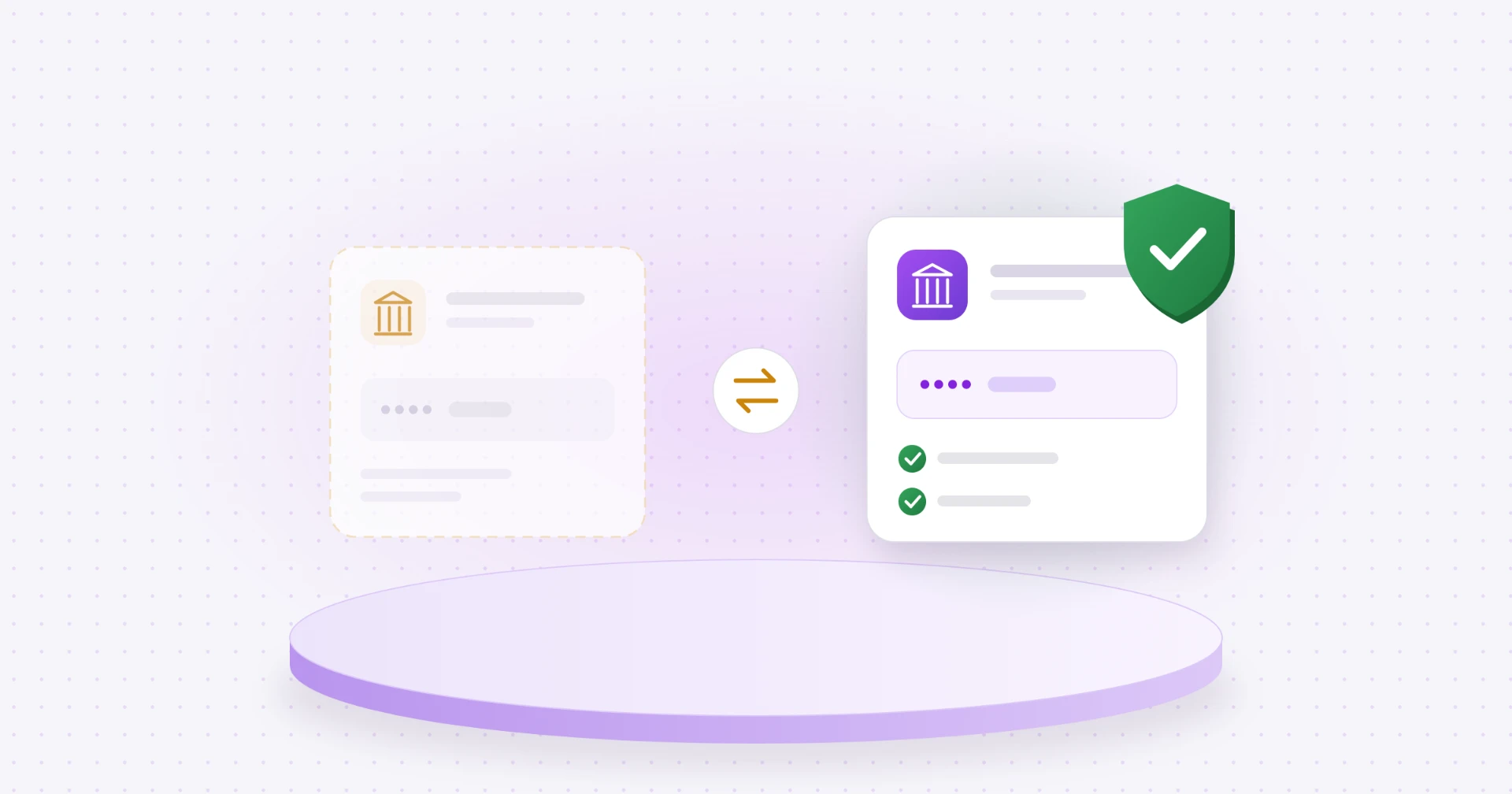
- Freeze the change. Don't update the vendor record or release a payment on the strength of the email. Reply that you'll verify first.
- Call back on a number you already had. Use the phone number from the subcontract, your vendor file or a past invoice, never the number in the request. Ask for someone you've dealt with before, such as the owner or the controller.
- Have them read the details to you. Ask them to read back the bank name and the last four digits of the new account, rather than reading them out yourself. Then ask why they changed banks.
- Confirm the account belongs to them. A callback proves you reached the real company. It doesn't prove the new account is in the company's name. Use an ownership check where you can, such as your bank's account validation tool or a verification service.
- Get a second approval. The person who changes vendor bank details shouldn't be the one who releases the payment. A project manager in the field shouldn't approve bank changes at all.
- Hold or test the first payment. For the first payment to new details, add a short hold or send a small amount first and confirm it arrived.
- Write it down. Record who verified the change, how, when and who approved it. If a payment ever goes missing, that record shows you used ordinary care.
If you don't have a secure portal for vendors, the callback in step 2 is your baseline. It's free, and it works as long as nobody skips it during a busy month.
Put it in the subcontract, too. Add a clause saying payment instructions can only change through a signed form plus a callback, and that the company will never ask to change bank details by email alone. Tell your subs and suppliers the same thing at kickoff. For a printable version, use our vendor bank detail change checklist.
Who pays when a construction payment goes to a fraudster?
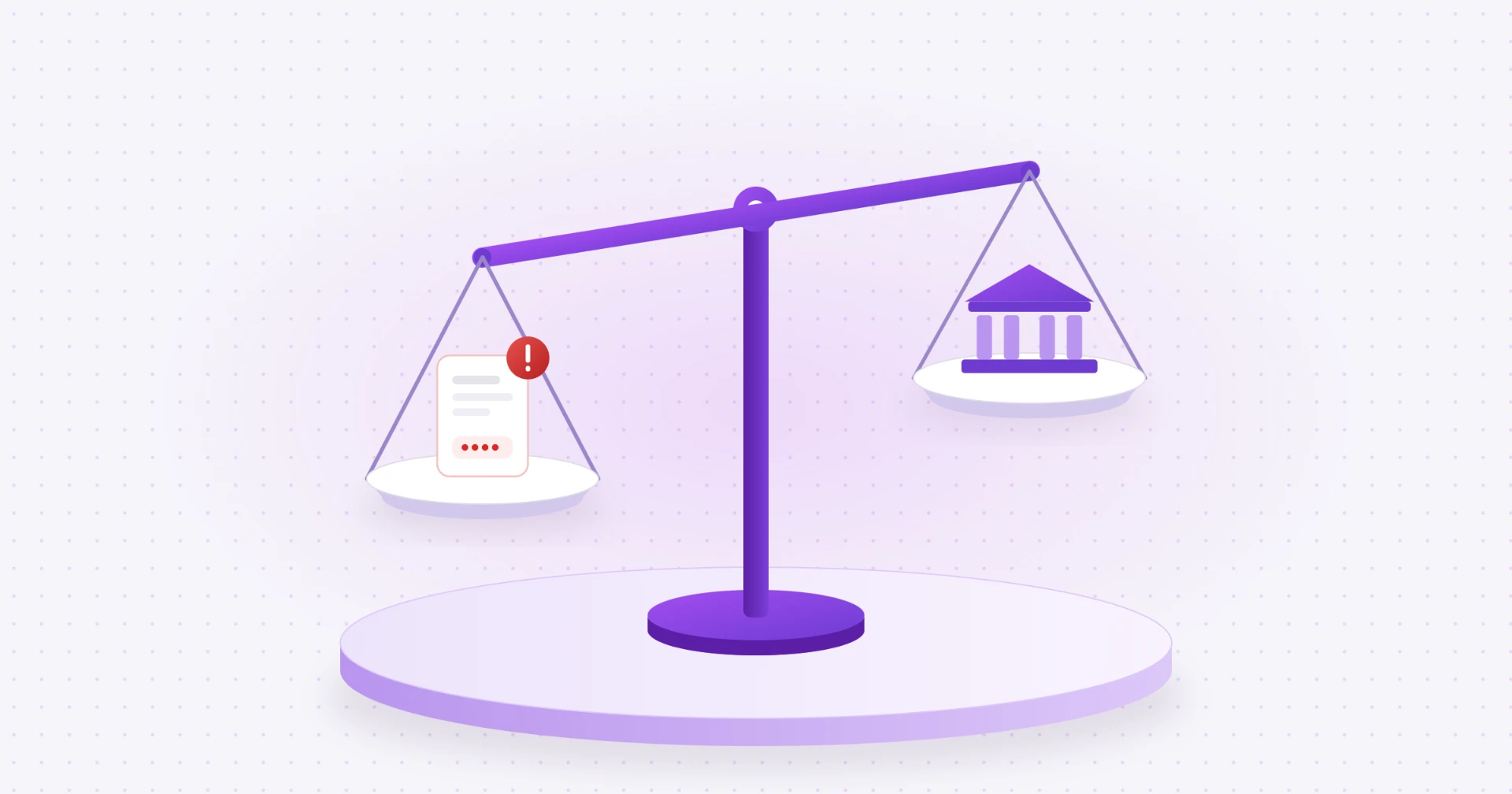
Usually the company that sent the payment. If your AP team paid a fake account, you generally still owe the real subcontractor or supplier, because the debt was never paid to them.
A federal court in Maryland made that point in 2024. In Jay Worch Electric v. Atlantic Specialty Insurance (D. Md., May 21, 2024), someone spoofed the email of an electrical subcontractor's president, using an address ending in .net instead of .com, and talked the general contractor into sending a check to a new address. The court "granted summary judgment to JWE, concluding that PDSI breached the contract and owed damages." The GC blamed the sub's weak cybersecurity. The court said that even if the sub's security was the cause, the GC would still be in breach.
A few things shape who ends up with the loss:
- The contract. In Jay Worch, the subcontract didn't say how payments had to be made. A clause that sets the only valid way to change payment details can shift the outcome.
- Ordinary care. Courts look at whether the payer ignored red flags or skipped its own verification steps.
- Lien rights and waivers. A sub that was never paid may still have lien rights on the project, and a conditional waiver tied to a payment that never arrived may not hold. Rules vary by state, so check with your lawyer.
- Whose email was hacked. When the fraud started in the vendor's own inbox, courts may weigh who was in the best position to stop it.
For how banks, Nacha rules and insurance fit in, see our guide to who pays when a vendor payment is diverted.
What should you do if a construction payment was diverted?
Move fast. The money is easiest to freeze in the first few hours, before the fraudster moves it on.
- Call your bank now. Ask it to recall the payment and contact the receiving bank to freeze the funds. Have the date, amount and both account numbers ready.
- File a complaint at ic3.gov. Include the full transaction details. The FBI can sometimes help banks freeze funds.
- Stop every other payment to that vendor record. Lock the record until the real bank details are confirmed by phone.
- Call the real subcontractor or supplier on a number you trust. Tell them what happened and check whether their email was hacked.
- Warn the rest of the project. If the fraudster had access to project emails, the owner, architect and other subs may get the same fake request.
- Call your insurance broker. Ask whether your crime or cyber policy covers social engineering or funds transfer fraud, and report the claim within the policy's deadline.
- Talk to your lawyer about lien deadlines, what you still owe the sub, and whether to sue to freeze the account, as Athens did.
Keep every email, header and record of who approved the change. You'll need them for the bank, the FBI, your insurer and any dispute over who pays.
How does Coffr help construction companies verify bank changes?
Coffr confirms the person and the bank account behind every bank detail change. Subs share their details through a secure flow instead of email, and every verification is recorded on an immutable blockchain ledger. Your team gets a clear record of who verified what and when, for every payee on every project.
Coffr doesn't change who's liable, and it doesn't recover lost funds. It makes it much harder for a fraudster's bank details to reach your next progress payment.
Talk with us to see how it fits your AP process.
Sources
- Over 75 percent of US firms experienced payments fraud in 2025, Association for Financial Professionals, Apr 14, 2026
- FBI Private Industry Notification 20210609-001, "Cyber Actors Impersonating Construction Companies to Conduct Business Email Compromises," June 9, 2021
- Posing as contractors, Nigerians scammed project owners for nearly $6M, FBI says, ENR, Aug 15, 2022
- Athens, Ohio, claws back half of $700,000 phished away in cyber fraud, ENR, Apr 6, 2026
- Previously extradited Nigerian national sentenced for role in multimillion-dollar business email compromise scheme, US Attorney's Office, Western District of North Carolina, Oct 1, 2024
- Pennsylvania woman sentenced to federal prison for role in fraud and money laundering scheme, US Attorney's Office, Northern District of Iowa, Jun 10, 2025
- Phishing scheme leaves general contractor on the hook, CLM Magazine, Jun 27, 2024 (on Jay Worch Electric v. Atlantic Specialty Insurance, D. Md. No. 8:22-cv-02420)
- Internet Crime Complaint Center (IC3), FBI
This article is general information, not legal advice. Construction payment and lien rules vary by state. Talk to your lawyer about your own situation.
Frequently asked questions
Don't act on the email. Call the subcontractor back on a phone number you already had on file, confirm the new bank and last four digits, and get a second person to approve the change. Where you can, confirm the account is in the sub's name before the first payment.
Often, yes. Paying a fake account usually doesn't pay the debt, so the GC can still owe the real sub. In Jay Worch Electric v. Atlantic Specialty Insurance (D. Md. 2024), the court found the GC in breach of contract even though the sub's email had been spoofed.
It may be able to. A sub that never received its money may keep its lien rights, and a conditional waiver tied to that payment may not apply. Lien rules vary by state, so check deadlines with a construction lawyer.
From public bid and budget records, project announcements and hacked email accounts. The FBI warned in 2021 that criminals use government budget portals to tailor fake requests to each owner and contractor.
Only if your policy covers social engineering or funds transfer fraud. A general liability policy usually won't. Many crime and cyber policies have lower limits for these losses, and some only pay if you verified the change by phone.
Sometimes, if you act fast. Athens, Ohio froze $205,000 still sitting in the fraudster's account and got $200,000 from insurance, recovering $405,000 of $721,976. Call your bank right away and file at ic3.gov.
About the author

Operations Coordinator at Coffr
James Pickren covers payment fraud for Coffr, researching real fraud cases and working with finance teams on how they verify vendor payments.
LinkedInHow we research and correct our work: editorial standards · all questions answered